
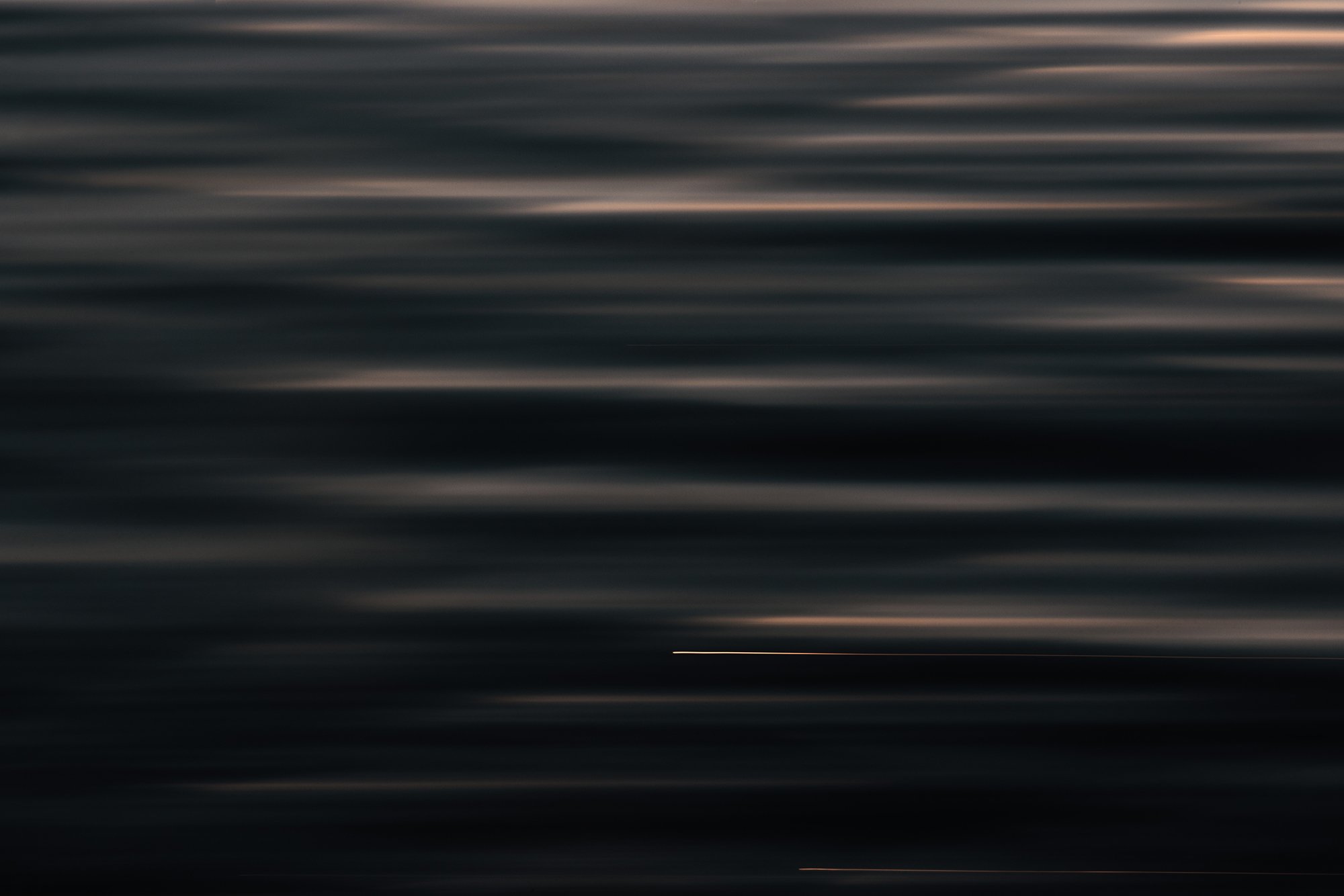
Ocean as Muse
An ongoing photographic and research-based practice
CONCEPT STATEMENT:
Ocean as Muse is an ongoing photographic and research-based project that explores the ocean as a site of presence, emotional depth, and collaboration.
Rather than approaching the ocean as a subject to be observed, the work positions it as an active participant, shaping process, influencing material outcomes, and guiding ways of seeing. Through sustained engagement with tides, wind, light, and duration, the project considers how water holds memory, emotion, and states of being that mirror our own inner landscapes.
The project emerged from a return to the ocean as a place of grounding and reflection, a space where repetition, rhythm, and sound create conditions for presence. Childhood memories of the sea, alongside later research into embodied awareness and the psychological effects of water, form the foundation of the work.
Over time, Ocean as Muse has developed into a long-form exploration, where photography operates not as documentation, but as a quiet, attentive practice shaped by listening, waiting, and return.
The work is created through repeated visits to specific coastal sites, often returning to the same locations across changing tides and conditions. Image-making is guided by environmental rhythms rather than predetermined outcomes.
The process incorporates:
Working with natural cycles such as tide, wind, and light
Allowing environmental conditions to dictate pace and duration
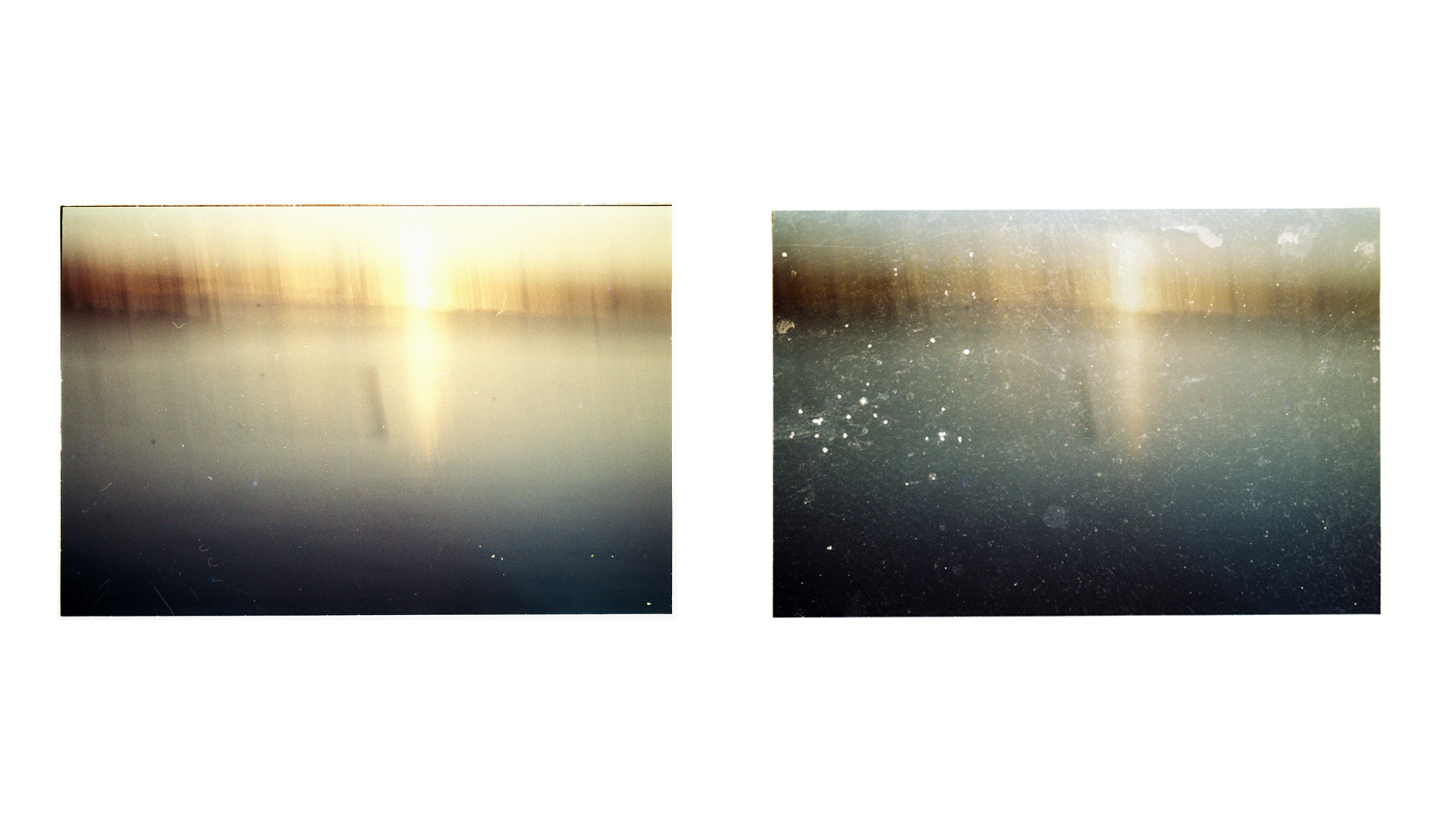
Process-led experimentation, including material and chemical interventions
Written reflection and journaling as parallel forms of inquiry
Photography functions here as a method of attention, a way of staying with experience rather than capturing a decisive moment.
MATERIALITY & COLLABORATION
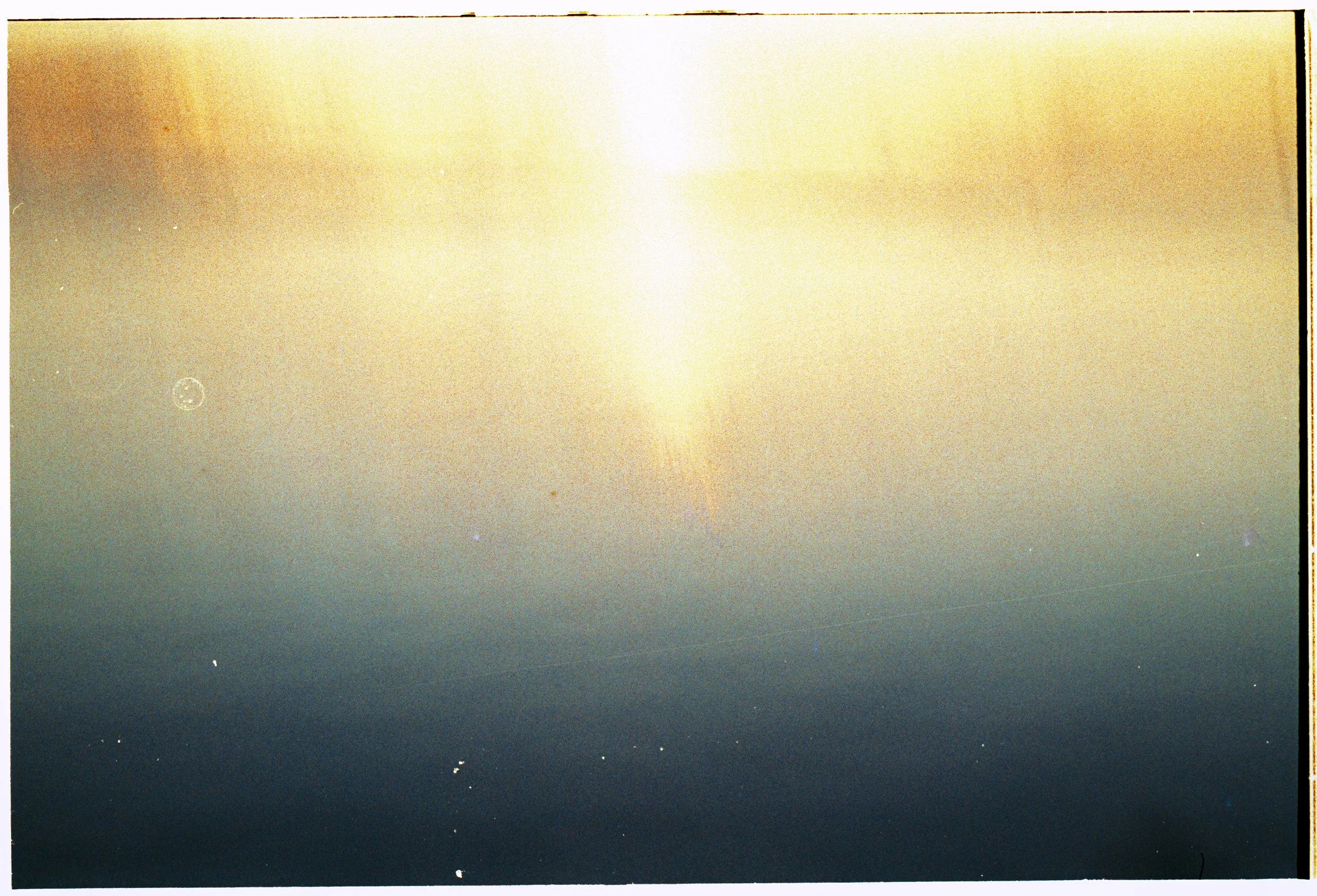
Central to Ocean as Muse is an interest in collaboration with natural elements not only as visual forces, but as material agents. Ongoing experimentation explores the role of saltwater, air, and time in shaping photographic outcomes, allowing environmental conditions to leave a physical trace within the work.
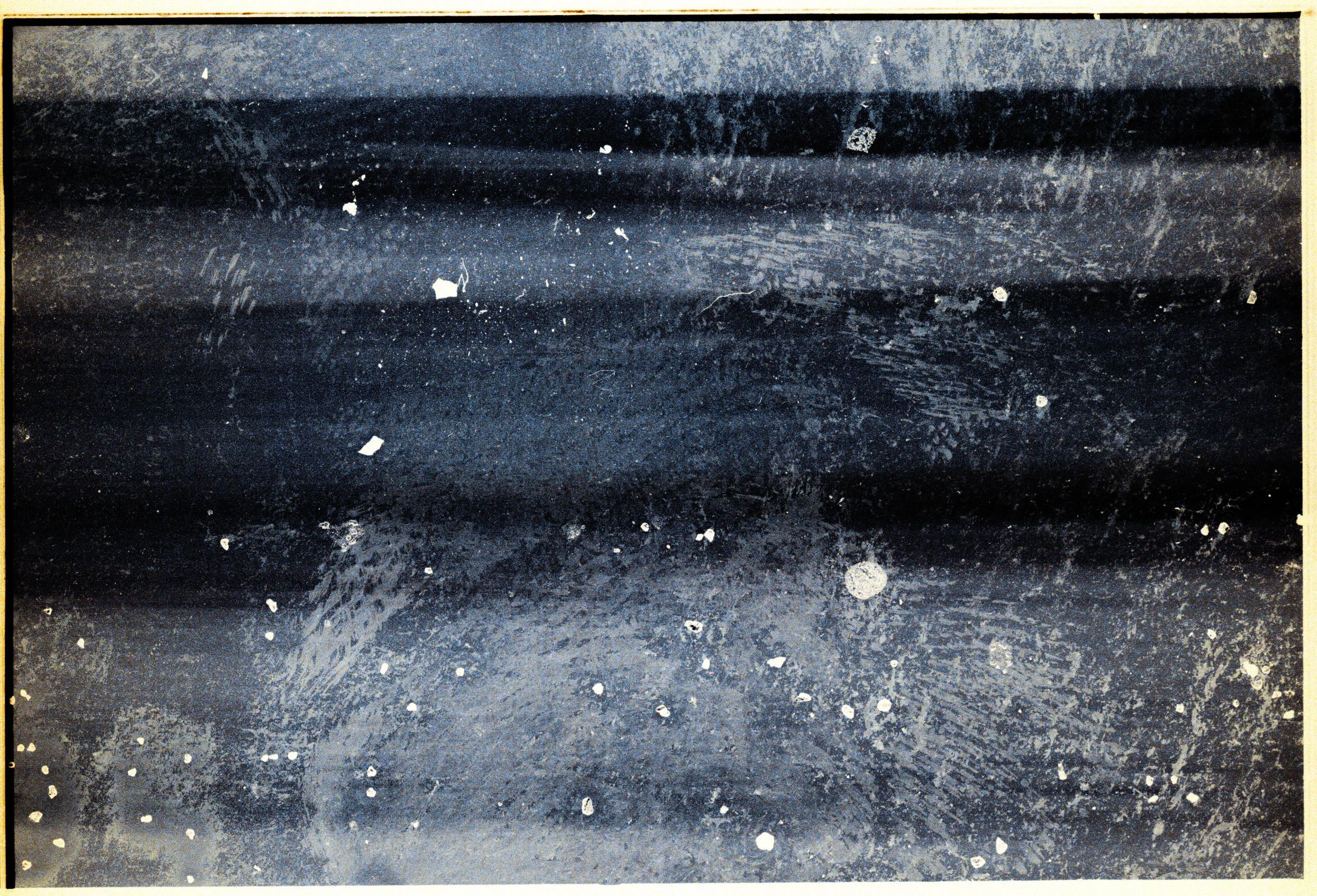
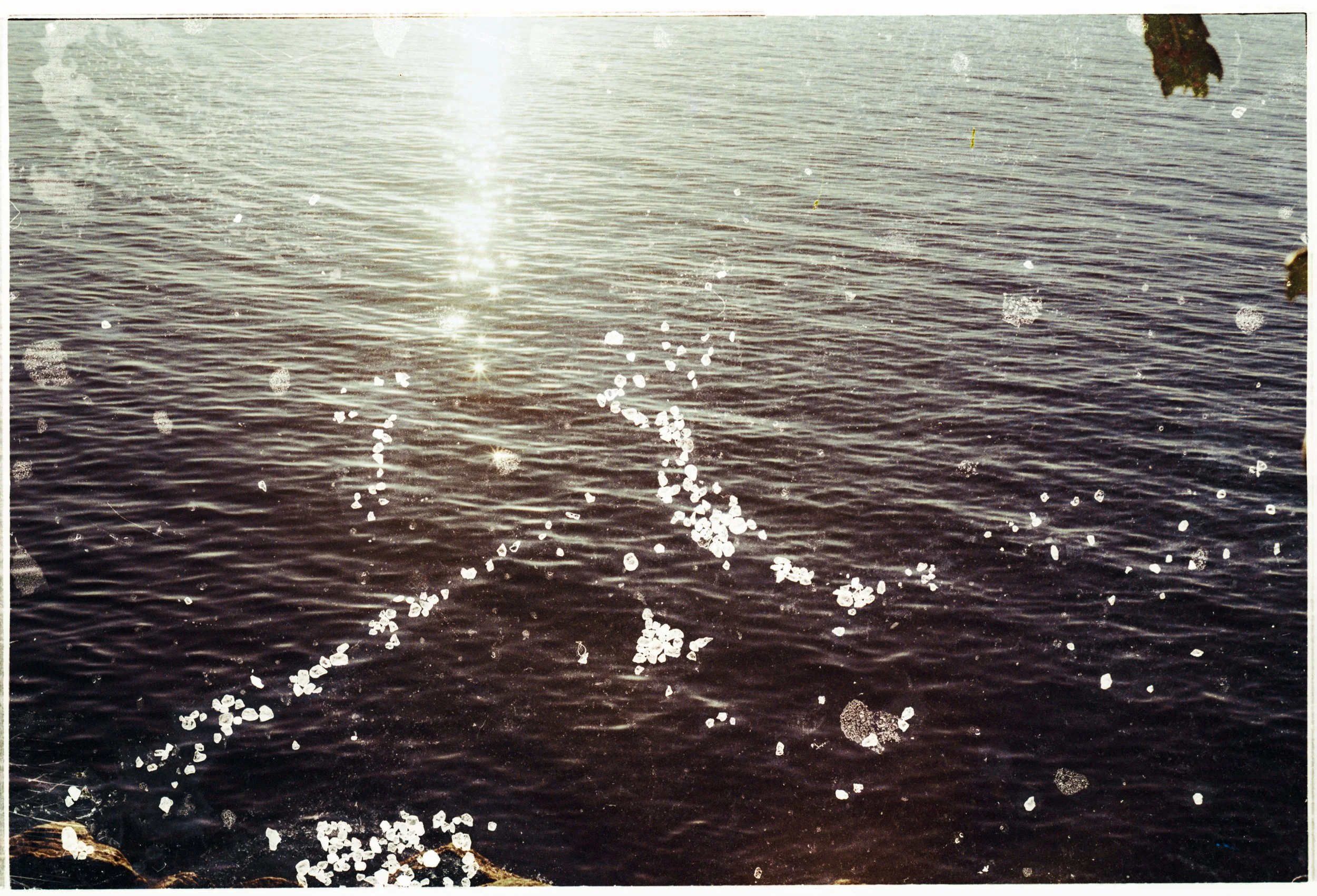
The project draws on ideas from embodied awareness, environmental psychology, and phenomenological approaches to perception. Writing and reading form an integral part of the practice, informing both conceptual framing and material decisions.
Rather than illustrating theory, Ocean as Muse allows research to unfold alongside image-making, with photographs, texts, and experiments informing one another over time.
Ocean as Muse is an evolving body of work, continuing through field research, writing, and material experimentation. The project is open to exhibition, publication, and site-responsive installation formats.
inspirations
Hiroshi Sugimoto (Seascapes) -
Seascapes is a long term photographic series by Hiroshi Sugimoto which began in the 1980’s. I keep returning to this minimalistic style. This series transforms the ocean from subject matter into a mirror for human consciousness. I’m really interested in this state of inner reflection where the work invites contemplation on perception, memory, and the passage of time.
Cameron Robbins - Anemograph, River Pulse -
Cameron Robbins is an artist who collaborates with natural forces, designing mechanical instruments that translate invisible energies, such as wind, tides, and atmospheric shifts, into physical marks. His Anemograph series records light drawn by wind movement as a still photograph, allowing nature itself to become the drawing hand.
Caspar David Friedrich -
Caspar David Friedrich (1774–1840) was a European painter known for atmospheric landscapes that merge human emotion with the overwhelming presence of nature. His works such as Wanderer above the Sea of Fog, Monk by the Sea, and Moonrise over the sea, explore solitude, spirituality, and the sublime. Instead of showing nature exactly as it is, Friedrich used the landscape to express emotion, a place for inner reflection and for people to feel the power of the natural world.
Hokusai's Great Wave
An iconic woodblock print known as 'The Great Wave' designed by Japanese artist Katsushika Hokusai in about 1831. It's part of a series titled "Thirty-six views of Mount Fuii" The Great Wave embodies the tension between beauty and danger, a central duality in my project. Like the ocean itself, the print is simultaneously alluring and threatening, serene and sublime. It reflects human smallness in relation to nature's immense power, which is a theme echoed throughout my research, from Burke's sublime to modern understandings of tides, wind, and planetary motion.